The Romans built their structures to last.
As it turns out, somebody envisioned what we can see today. They built their buildings to outlive them. The fact that we can visit the Colosseum today isn’t an accident. They did it on purpose.
When Apple offered me a job on the iPod project in the mid-2000’s, their battery lifetime target was 18 months. They did that on purpose. They wanted you to buy a new iPod every 18-24 months.
Gillette builds razor blades to last 10 shaves. Inkjet cartridges 200 pages. Toothbrushes 3 months. Incandescent light bulbs 1000 hours.
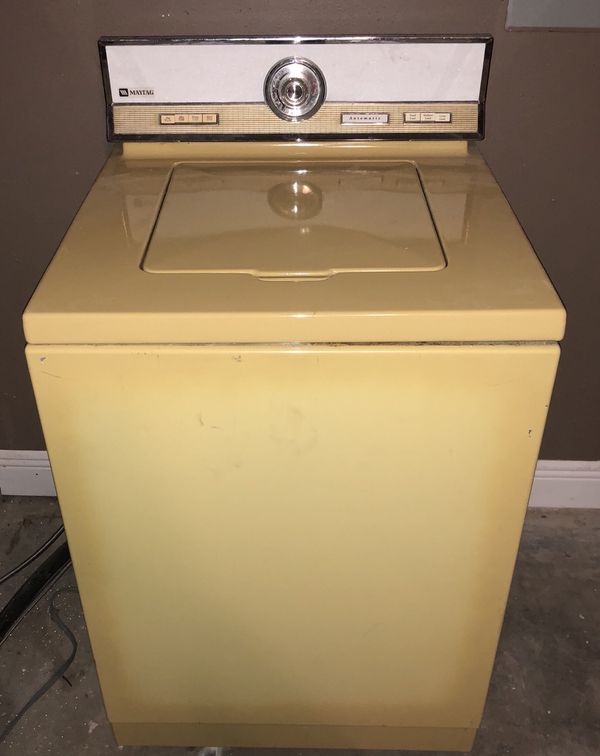
I know somebody who uses a Maytag washer from the 1960’s (in Harvest Gold). Could you imagine a shiny new washer from Costco/Best Buy/Lowes/Home Depot still working 50 years from now?
The same thing can be said about any upgrade for any mobile app you have. Every time you get the upgrade notification, that’s the company telling you it’s time. Your old app is obsolete. You certainly wouldn’t want to use GPT-4 if you have access to GPT-5.1.
Planned obsolescence is a Venn diagram that includes business case and engineering.
The Colosseum still stands because nobody asked about the ROI on the hot-mixing process. Today, the market and a spreadsheet full of what-ifs determine longevity.
However, just because your product has a planned obsolescence, it doesn’t mean that it doesn’t matter, or it won’t make an impression. I can still remember how that first iPod felt in my hands, even though I haven’t had it in my hands since 2003.
If you’re building something, you have a chance to make something that matters. Longevity is only one variable.
Discover more from johnmaconline
Subscribe to get the latest posts sent to your email.